
Video Lessons 5 Sections76 LessonsLifetime
Who should tackle misinformation on social media?
 [intense_content_section background_type=”color” background_color=”#f8f8f8″]
Starting Point. Discuss the questions below.
Where do you get your news? What sources do you use?
Do you use social media to read or listen to the news? Which social media do you use? Why? Why not?
What is the difference between fake news, misinformation, and disinformation?
How can you tell that information online is trustworthy?
Do you know nay famous examples of fake news or disinformation?
Why do people believe in misinformation?
Why do people share misinformation?
Whose responsibility is it to tackle misinformation?
Definitions
Fake news: false stories that appear to be news, spread on the internet or using other media, usually created to influence political views or as a joke / purposefully crafted, sensational, emotionally charged, misleading or totally fabricated information that mimics the form of mainstream news
Misinformation: incorrect information, especially when deliberately intended to deceive people / false information that is spread, regardless of whether there is intent to mislead
Disinformation: false information which is given deliberately in order to hide the truth or confuse people, especially in political situations / deliberately misleading or biased information; manipulated narrative or facts; propaganda
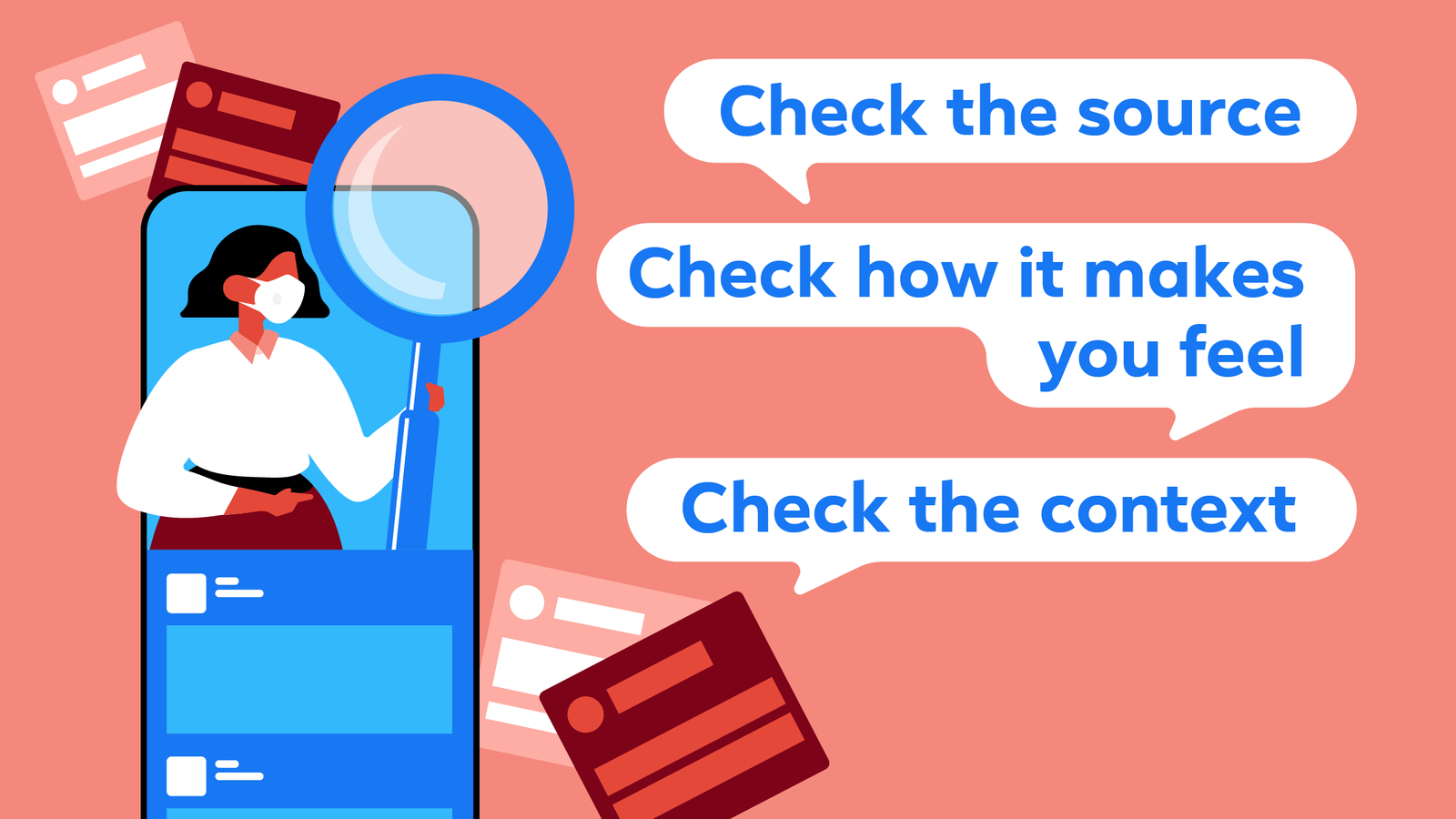
Whenever you encounter new information online it’s important to check it to help decide if it’s trustworthy.
Here are some ways you could do this.
- Check a range of websites and sources. Do they all say the same thing about that topic or story?
- Use a fact-checking website. There are websites that check the accuracy of news stories and help you recognise fake news stories.
- Check an offline source. Can you find the same information in a book or newspaper, or on the TV or radio?
- Get a second opinion. Show it to a trusted adult (such as a teacher) and see what they think. They might be able to help you spot information that is fake or recommend other sources of information that may be more trustworthy.
Can you think of any other ways you could check whether online information is reliable?
Focus on Vocabulary. Match the words with the correct meaning.
Focus on Comprehension. Answer the questions below about the video.
There’s a very real sense of urgency to tackle the spread of misinformation, or what is more commonly known as “fake news”. What responsibility do big tech firms have in addressing its dissemination on their platforms? How about governments? Is there a need for greater regulation? And what about the role of journalists?
Focus on Listening. Watch the video. Read the transcript below if necessary.
[/intense_content_section]
